

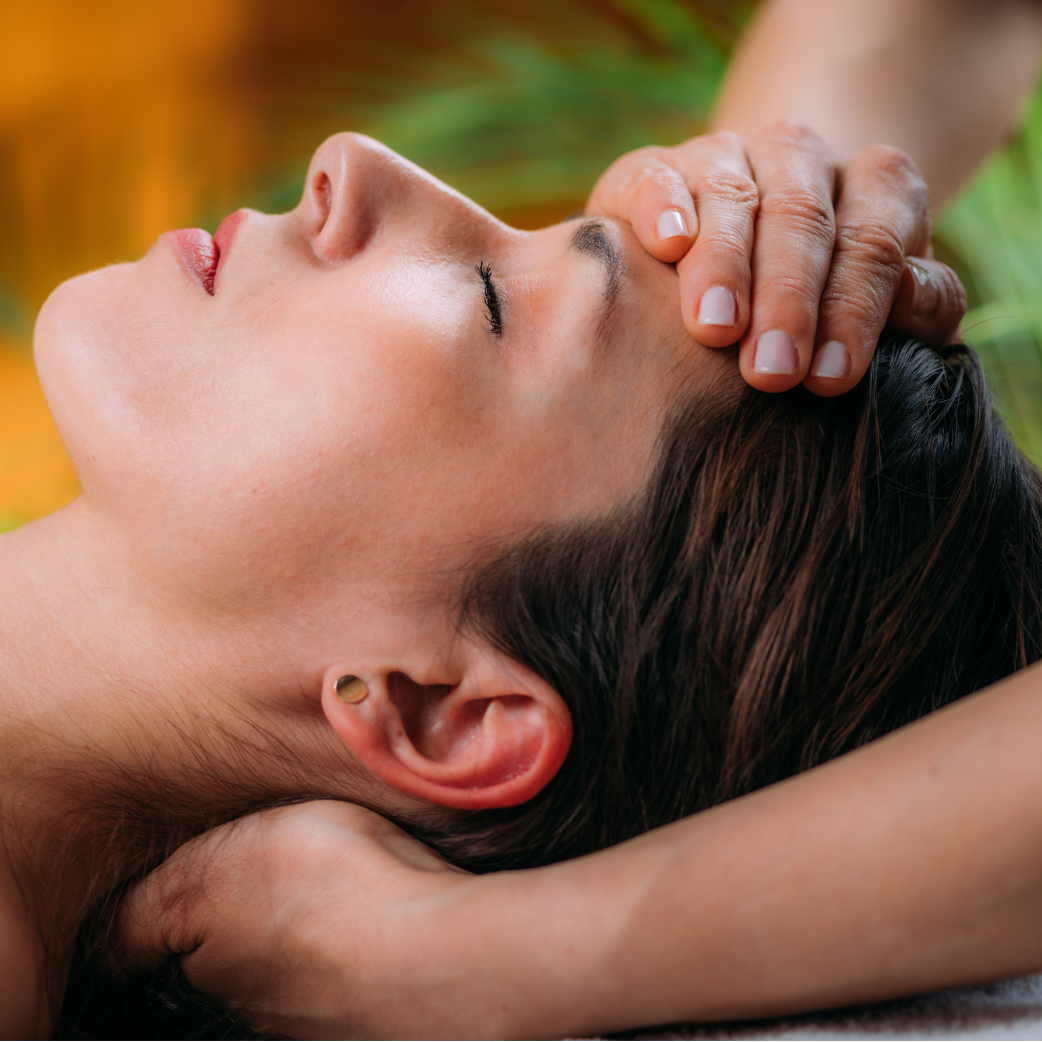
With CranioSacral Therapy (Upledger’s Method), you experience a gentle, hands-on approach designed to release restrictions within your nervous system and support your body’s natural ability to heal. Using light, attentive touch, subtle tension patterns around your skull, spine, and sacrum are assessed and eased, helping calm your nervous system and restore balance. Your session follows a full-body approach, “listening” to what your body needs.
Although the technique is subtle, you may notice meaningful shifts within the body, such as decreased pain, reduced muscle tension, improved mobility, and a deep sense of relaxation. Many people describe the experience as profoundly calming and restorative. By supporting your central nervous system and encouraging more efficient function throughout your body, this gentle, noninvasive therapy offers you a safe pathway toward greater comfort, resilience, and overall well-being.
Treatments performed with patient fully clothed. Wear comfortable, loose clothing

CranioSacral Therapy
$130 for 60 Minute Treatment
What to Expect:
Treatment involves light touch—often no more than the weight of a nickel—applied to specific areas such as the head, neck, sacrum, and spine.
The practitioner is listening and feeling for subtle rhythms and restrictions in the craniosacral system (the membranes and cerebrospinal fluid surrounding the brain and spinal cord) and for overall tissue quality and tension patterns.
Treatment is slow, subtle, and unhurried. Your practitioner may rest their hands on or near areas of tension to support the body’s natural self-correcting mechanisms.
You may feel sensations such as warmth, pulsing, tingling, waves of relaxation, or small shifts in muscle tension. Some clients experience emotional release, gentle movements, or a feeling of deep rest.
After Treatment Expectations:
Many people feel relaxed, grounded, and clearer in their thoughts. Others may feel mildly tired or emotionally stirred; this is normal and often short-lived.
It’s common to notice improved sleep, reduced pain or tension, and increased ease of movement over the following days. Some changes are immediate, others evolve gradually after several sessions.
Guidance for Optimal Recovery:
Hydration and gentle activity (walking, stretching) after the appointment can support integration. Avoid scheduling heavy physical or mentally demanding tasks immediately afterward when possible.
Contraindications:
Craniosacral work is generally gentle and safe, but it may not be appropriate in certain acute medical situations (unstable aneurysm, acute hemorrhage, uncontrolled intracranial pressure, certain acute infections). Provide a full medical history so contraindications can be identified.